
Many organisations still approach benchmarking as a one-off exercise—something undertaken to fix a specific issue or improve a single process. Leading organisations take a different view. They recognise that benchmarking, when built as an organisational capability, becomes one of the most powerful enablers of sustained excellence.
As illustrated in the Centre for Organisational Excellence Research (COER)’s Benchmarking and
Excellence Roadmap, Figure 1, excellence is not achieved through isolated initiatives. It is achieved by building and sustaining a pipeline of best practices that progressively strengthens performance across all processes and functions.
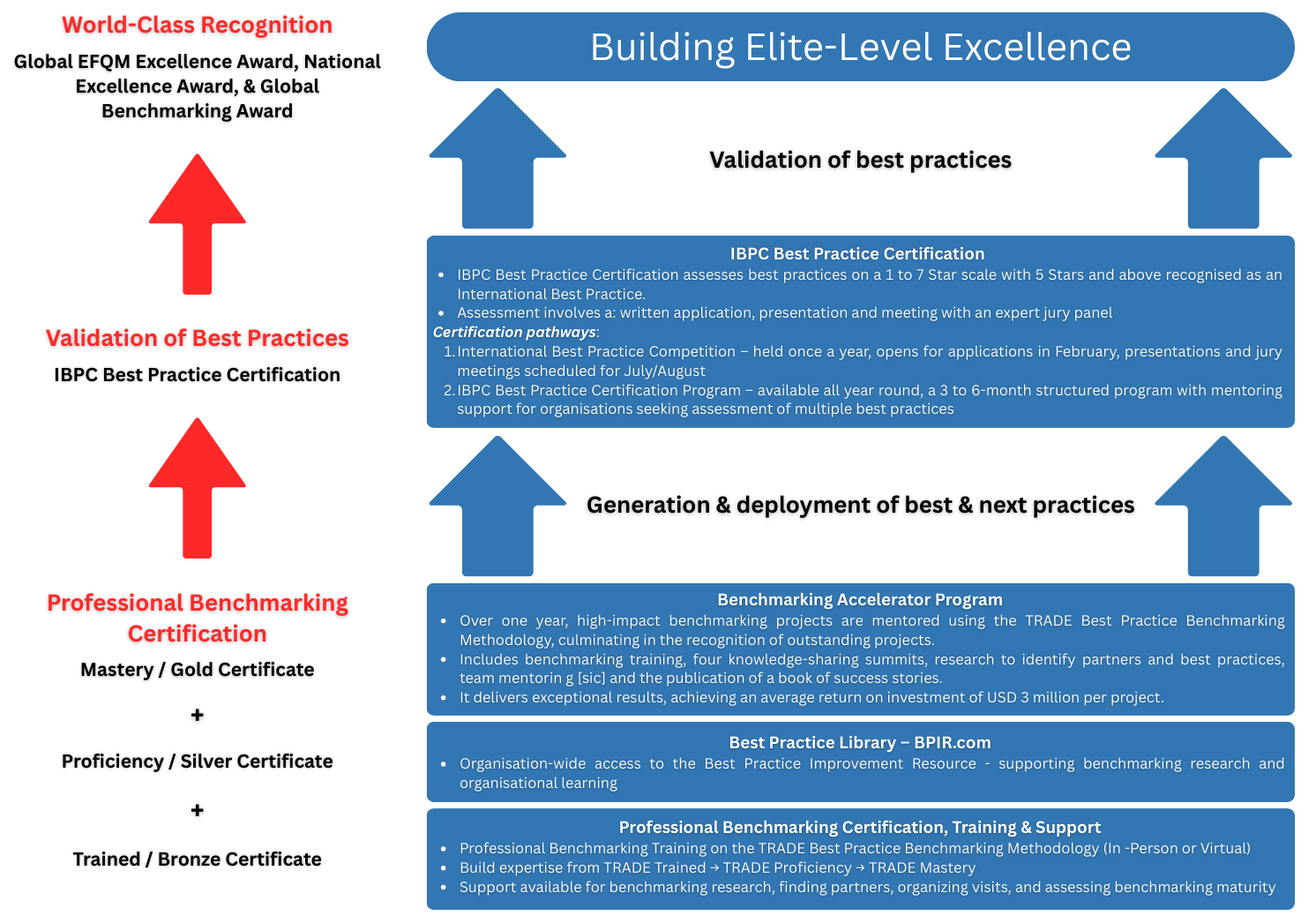 Figure 1 – COER’s Benchmarking and Excellence Roadmap
Benchmarking as a capability, not an activity
Benchmarking capability is an organisation’s ability to consistently identify, adapt, and deploy best and next practices by learning from leading organisations worldwide. When this capability is embedded, benchmarking is no longer reliant on individual enthusiasm; it becomes structured, repeatable, and strategically aligned.
A core component of benchmarking capability is organisational learning. This includes using a proven and effective approach to learn from the best practices of others. This is where a robust benchmarking methodology—such as the TRADE Best Practice Benchmarking Methodology (Figure 2)—is essential. Such methodologies are tested and refined through hundreds of benchmarking projects and guide teams through each stage of the process: from defining the terms of reference and understanding current challenges and opportunities, to learning from others, deploying improvements, and evaluating results.
There is a common misconception that benchmarking does not require formal training. However, like any tool or technique, effective and responsible benchmarking depends on appropriate training to ensure teams apply the methodology rigorously and achieve meaningful outcomes.
 Figure 2 – TRADE Best Practice Benchmarking Methodology
Access to validated examples of best practice significantly accelerates learning by helping teams understand what “good” looks like before undertaking deeper benchmarking work. Platforms such as the Best Practice Improvement Resource (BPIR.com), which curate and structure best practices, performance measures, and benchmarking knowledge, therefore play an important role in building confidence, capability, and ambition across the organisation.
As teams apply benchmarking methods in practice, each project generates valuable insight—often dozens of improvement ideas and potential best practices. Over time, those that are implemented and embedded demonstrate the power of benchmarking in delivering results and encourage further projects, reinforcing an organisational learning culture.
The role of shared knowledge and learning
Strong benchmarking capability is rarely built in isolation. It is strengthened when organisations can:
- Learn directly from practices that have already been validated
- See how those practices are applied in different contexts
- Connect with the organisations behind them to explore deeper learning
This combination of codified knowledge and human connection is critical. It allows organisations to move beyond surface-level imitation toward thoughtful adaptation and enhancement—integrating their own ideas and business context to tailor practices to their needs and, when done well, to develop next practices. This is a defining characteristic of high-performing benchmarking cultures.
By embedding this approach into everyday improvement activities, benchmarking becomes continuous rather than a one-off exercise.
Why the best practice pipeline matters
A mature pipeline of best practices creates a step-change in how value is delivered.
In the private sector, this often translates into:
- Stronger competitiveness and differentiation
- Higher productivity and efficiency
- Faster, more reliable innovation
In government and public sector organisations, the benefits are equally significant:
- More consistent and citizen-centred services
- Improved outcomes with finite resources
- Stronger trust and confidence from stakeholders
In both cases, excellence becomes visible not only in results, but in how the organisation thinks, learns, and improves as a system.
Validating best practices: moving from “better” to “best”
As organisations mature, an important question emerges: How do we know our practices are genuinely best practice—not just good practice in our own context?
Independent validation, such as through IBPC Best Practice Certification provides the answer. External assessment introduces rigour, comparability, and credibility. It helps organisations distinguish between:
- Local improvements, and
- Practices that are transferable, scalable, and internationally competitive
Structured assessment processes—often using star-rating systems—also provide rich feedback, enabling teams to further refine and strengthen their practices.
From validated practices to recognised excellence
Once organisations have developed benchmarking capability and validated multiple best practices, many choose to step back and assess their performance more holistically.
National and international business excellence awards, based on recognised models such as EFQM or Baldrige, offer this broader perspective. These assessments:
- Recognise achievement and progress
- Highlight systemic strengths and gaps
- Identify where new benchmarking and best practices are required
Rather than being an end point, excellence assessments often act as a strategic catalyst, shaping the next cycle of improvement and learning.
Assessing the capability behind the results
There is increasing recognition that sustainable excellence depends not just on what an organisation has achieved, but on how it continues to achieve it.
This is where assessments of benchmarking capability become particularly valuable. The Global Benchmarking Award, administered by the Global Benchmarking Network, focuses specifically on an organisation’s ability to develop, manage, and sustain a pipeline of best practices over time.
It reinforces a crucial message: excellence is not accidental—it is designed, governed, and continuously renewed.
Excellence as a living system
Organisational excellence is not a destination; it is a living system—fuelled by learning, strengthened through benchmarking, and sustained by validated best practices.
Organisations that invest in benchmarking capability, shared learning, independent validation, and holistic assessment fundamentally change how they deliver value. Whether competing in global markets or serving citizens and communities, they build the confidence that excellence achieved today can be sustained tomorrow.
For organisations seeking to understand what this journey looks like in practice, COER’s work across benchmarking capability, best practice validation, and excellence assessment offers a rare, end-to-end perspective grounded in evidence, experience, and international recognition.
For further information on building benchmarking capability, refer to the infographic in Figure 3, or contact Dr Robin Mann, Director, Centre for Organisational Excellence Research, at r.s.mann@coer.org.nz
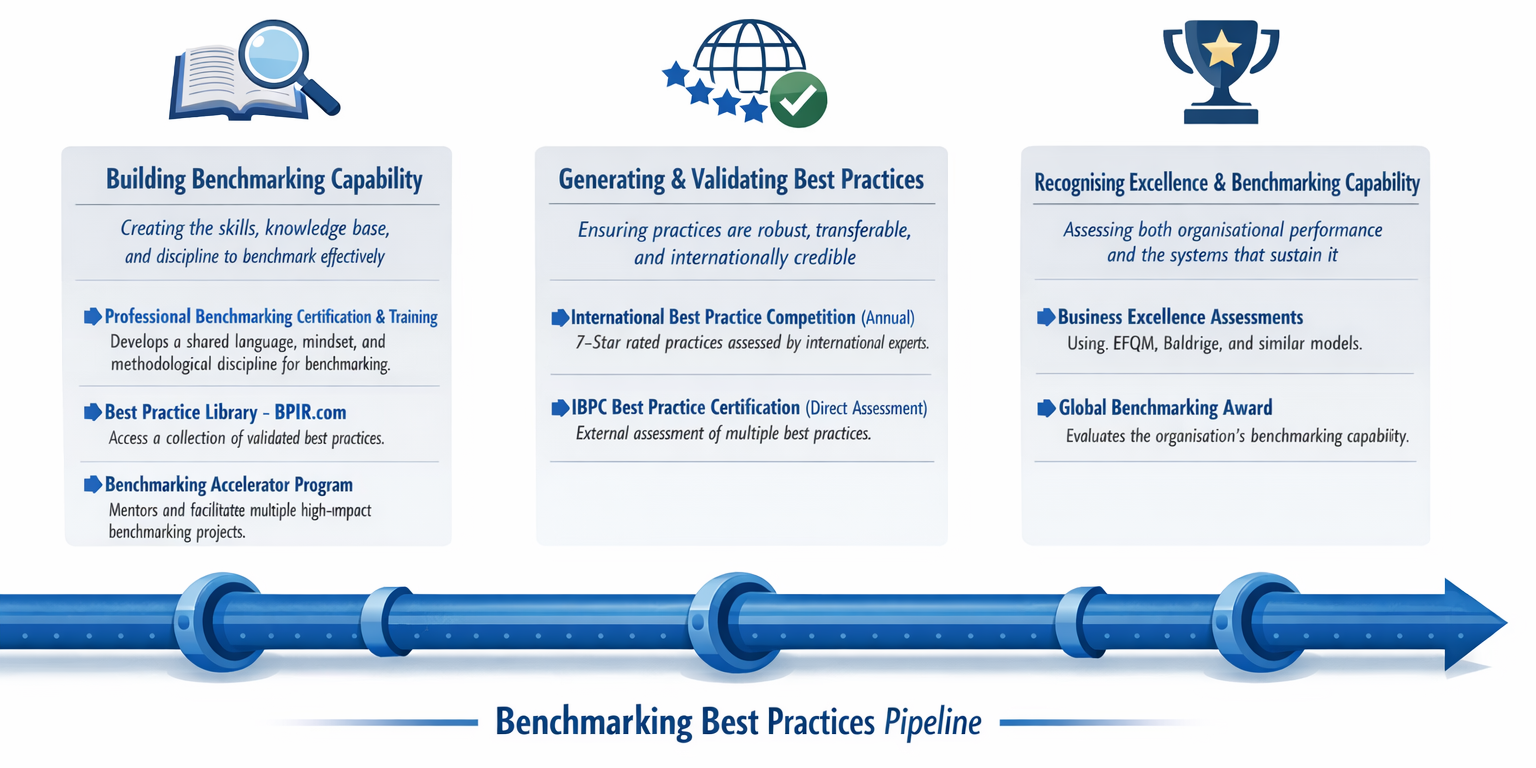 Figure 3 – How organisations build a pipeline of best practices – and how it is enabled
Receive Our Newsletter
Keep informed on best practice research and business improvement events from around the globe - be the first to read our Best Practice Reports
| Share | LinkedIn Facebook Twitter |
| Posted by: | BPIR.com |
| Author: | Dr Robin Mann |
| Source : | - |
| BPIR Category : | 14.2.1 Develop benchmarking capabilities 14.3.3 Implement an org-wide continuous improvemnt program |
| Latest News Categories: | Benchmarking, Best practices, Business Excellence, Latest News |