

Looking beyond the familiar can spark breakthrough innovations. This article explores the concept of creative benchmarking, describes how it fits into an established benchmarking methodology, and provides examples of creative benchmarking in the hospital sector.
In This Article:
– What is Creative Benchmarking?
– How are Creative Benchmarking Partners Selected?
– Creative Benchmarking Example from the Hospital Sector for a World-Class Patient Experience (Flow diagram)
– Conclusion
1. What is Creative Benchmarking?
Imagine a bustling café in a vibrant neighborhood, filled with the aroma of freshly brewed coffee and the sounds of animated conversations. At a corner table, a group of entrepreneurs gathers—each from a different industry: a fashion designer, a tech innovator, and a renowned chef. As they sip their drinks, they exchange stories about challenges and triumphs, sparking creativity and inspiration through their shared experiences.
In this eclectic environment, something powerful happens. The designer adopts a tech-savvy approach to streamline her production process. The chef experiments with sustainable ingredients inspired by the designer’s eco-friendly ethos. Meanwhile, the tech innovator discovers new ways to engage customers by implementing interactive dining experiences. This dynamic exchange of ideas is the essence of creative benchmarking.
Creative Benchmarking is an innovative approach that transcends traditional competitive or industry-specific benchmarking. It focuses on identifying and exploring best practices and processes from organizations with different organizational profiles—whether from other industries, distinct business models, or varying sizes and scales—specifically those that excel in areas relevant to the challenges or opportunities being addressed.
To achieve this, the area to be benchmarked must first be broken down into specific practices or components that are also common to other industries. Then, the focus shifts to identifying industries or organizations that must excel in these practices to maintain a competitive advantage or stay operational. For example, if the goal is to improve crisis management, it would be most valuable to learn from organizations, departments, or teams in industries where crisis management is critical—such as emergency healthcare (Accident & Emergency) or the Defense Forces—because they are more likely to have perfected their processes in this area.
In any industry—whether business, healthcare, or finance—creative benchmarking involves identifying and learning from organizations that excel, regardless of their field. It’s about analyzing the unique approaches that set them apart and adapting those insights to fit your needs. For maximum impact, every benchmarking study should include at least a few creative benchmarking partners.
By contrast, Core Benchmarking focuses on comparing your organization’s processes and performance with others in the same industry, often targeting similar core functions and operations. While valuable, relying solely on core benchmarking can limit opportunities for innovation and growth. Creative benchmarking, on the other hand, opens the door to transformative ideas that may lie outside the boundaries of your industry.
2. How are Creative Benchmarking Partners Selected?
To understand where creative benchmarking fits into a benchmarking project, it is useful to review an established benchmarking methodology. One of the most popular methodologies is the TRADE Best Practice Benchmarking Methodology, developed by the Centre for Organisational Excellence Research. The name “TRADE” emphasizes the importance of forming benchmarking partnerships with other organizations. The methodology encourages a two-way exchange of information and knowledge with benchmarking partners for mutual benefit.
The TRADE Methodology guides participants through every stage and step of a benchmarking project, from setting a project plan to searching for and applying best practices. The methodology consists of five stages (refer to Figure 1), each comprising four to nine steps. This structure enables benchmarking teams to focus on learning and improvement rather than spending excessive time debating and aligning project plans.
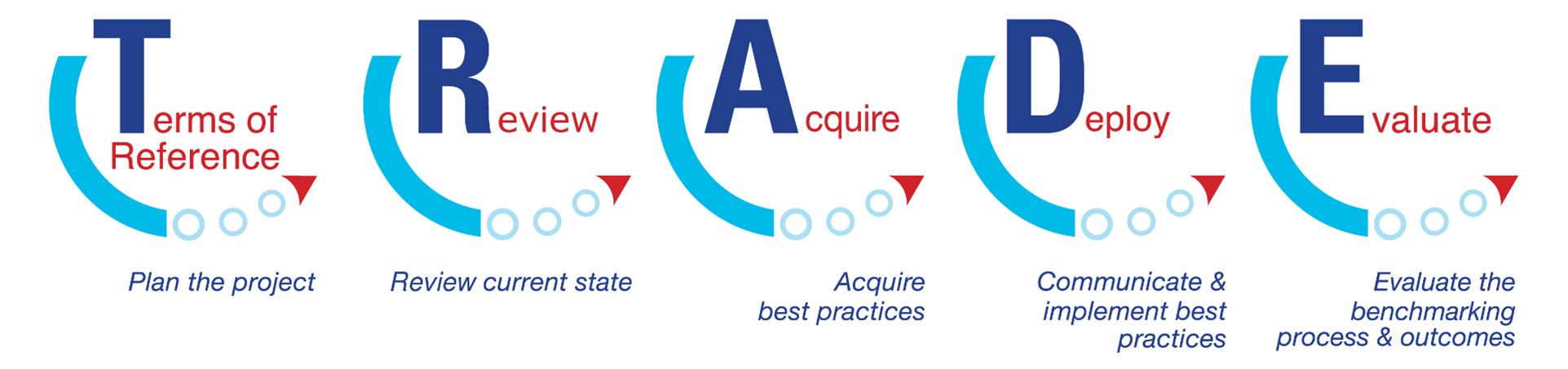
Figure 1 – TRADE Best Practice Benchmarking Methodology
The stages most relevant to selecting benchmarking partners (core or creative) are the Review and Acquire stages:
Review Stage:
The Review Stage (see Figure 2) is critical for ensuring the organization fully understands the process or area for which it seeks best practices before undertaking benchmarking. Organizations often jump prematurely into the benchmarking phase without a deep understanding of their own processes and the specific challenges or opportunities they face. This can result in selecting only core benchmarking partners, as the team may focus narrowly on key industry processes.
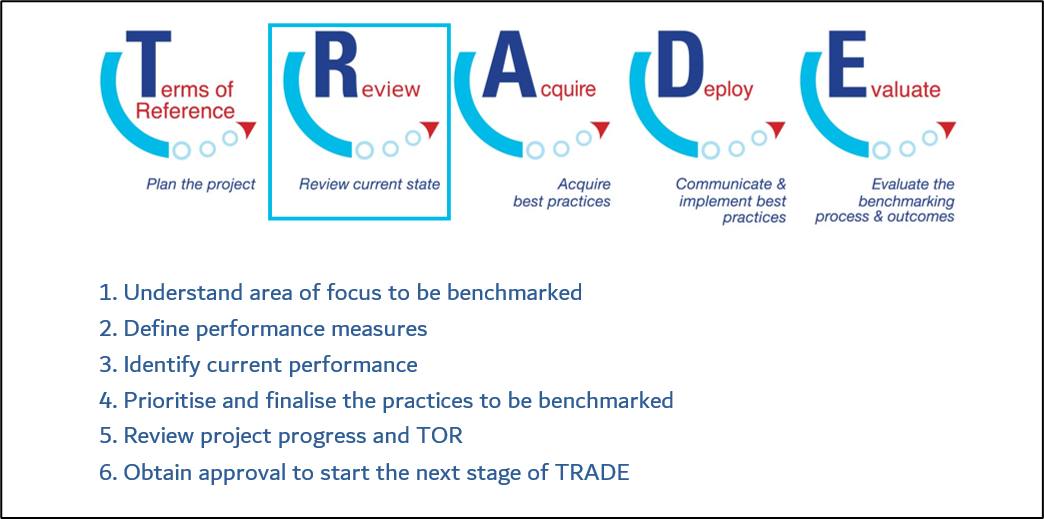
Figure 2 – The Review Stage of TRADE
By analyzing the key challenges and opportunities in a process, organizations can uncover issues relevant to other industries, broadening the scope for learning from creative partners. For example, in the health sector, ambulance response times are often a key performance measure. There may be a tendency to benchmark only against other ambulance services. However, breaking down the factors causing delayed response times, such as:
…can reveal opportunities to learn from industries with similar challenges, such as logistics, transportation, or other emergency services. The final output of the Review Stage should be a clear identification of key issues, challenges, and opportunities.
Acquire Stage:
The Acquire Stage (see Figure 3) begins with developing a best practice research plan that outlines the time frame and types of research to be conducted. This is followed by establishing best practice search criteria based on the key challenges and opportunities identified in the Review Stage.
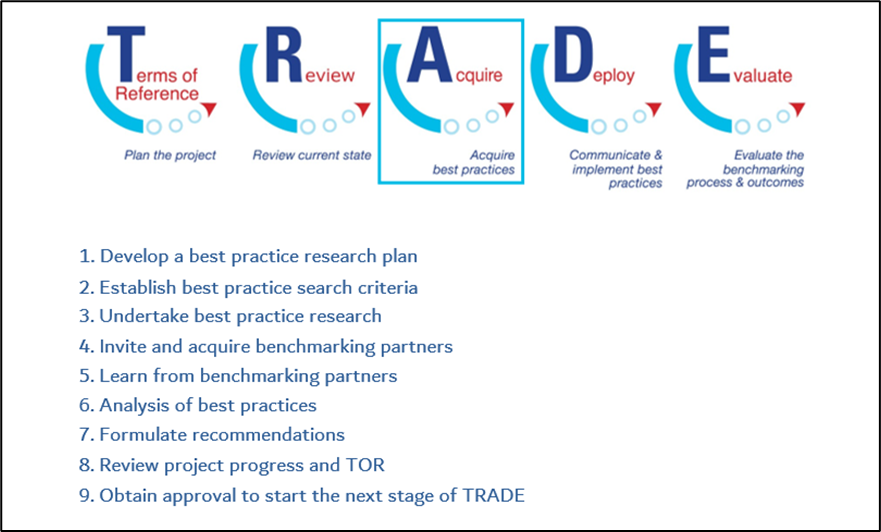
Figure 3 – The Acquire Stage of TRADE
The search typically involves:
1. Desktop research: Many best practices and potential benchmarking partners can be identified online.
2. Direct engagement: Contacting and learning from benchmarking partners through virtual meetings or site visits.
Combining these approaches often leads to identifying numerous potential best practices (often more than 50, especially when creative partners are included). The next step is to evaluate which practices are most suitable for implementation, considering factors such as time, resources, and expected outcomes.
3. Creative Benchmarking Example from the Hospital Sector for a World-Class Patient Experience
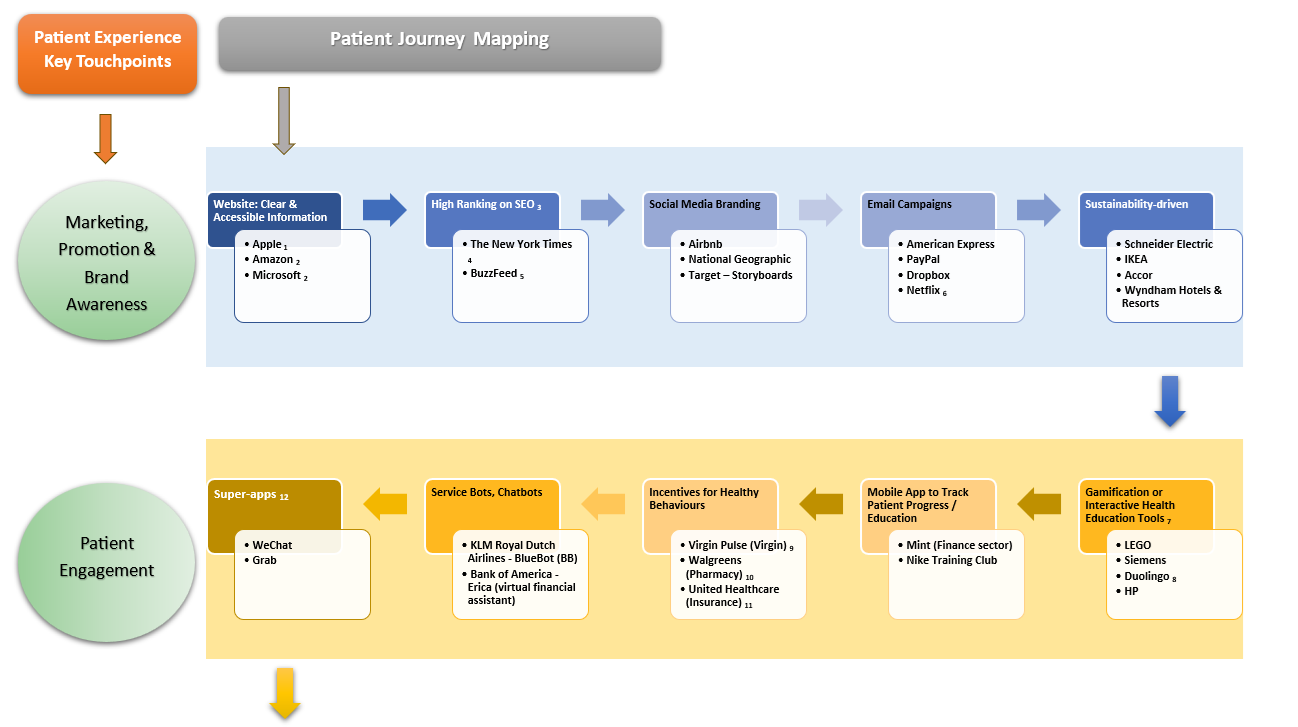
The hospital industry delivers highly complex, specialised, personalized services, often in response to urgent and unpredictable healthcare needs. A patient’s experience is shaped by a series of logistical and critical touchpoints, spanning interactions with staff, facilities, and services from pre-arrival through post-discharge. By leveraging a creative benchmarking approach to assess and refine these touchpoints, hospitals can significantly enhance the patient-centered experience. This strategy not only elevates the standard of patient care but also boosts overall healthcare quality and drives sustainable growth. Key areas of focus include seamless care coordination, clear communication, comfort and amenities, emotional support, patient education, and the efficiency of services, including reducing wait times.
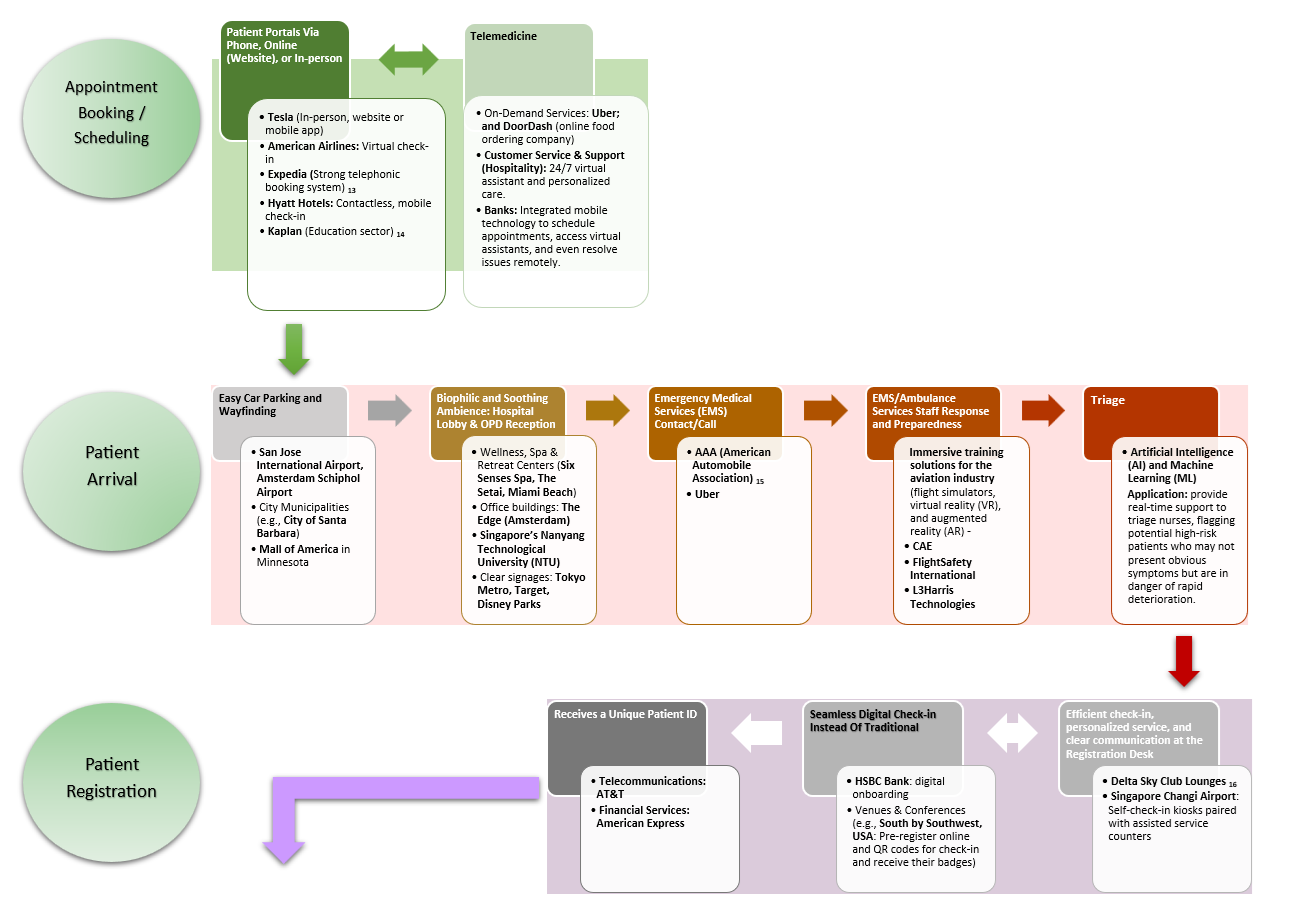
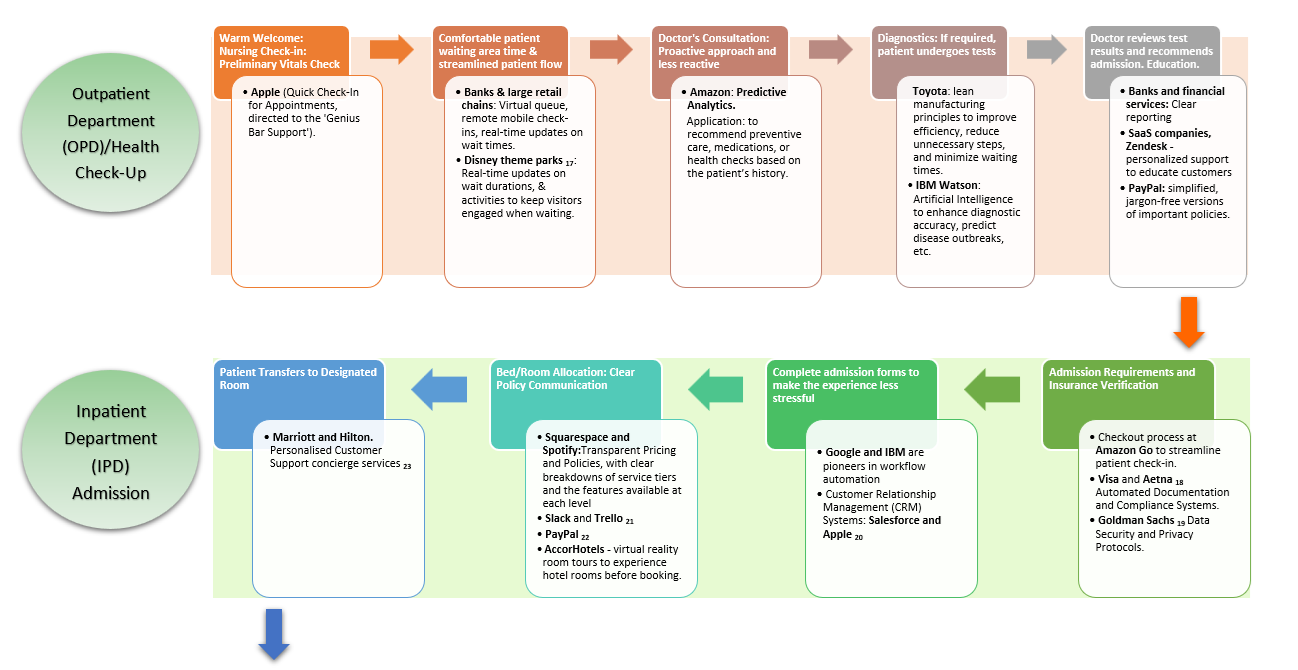
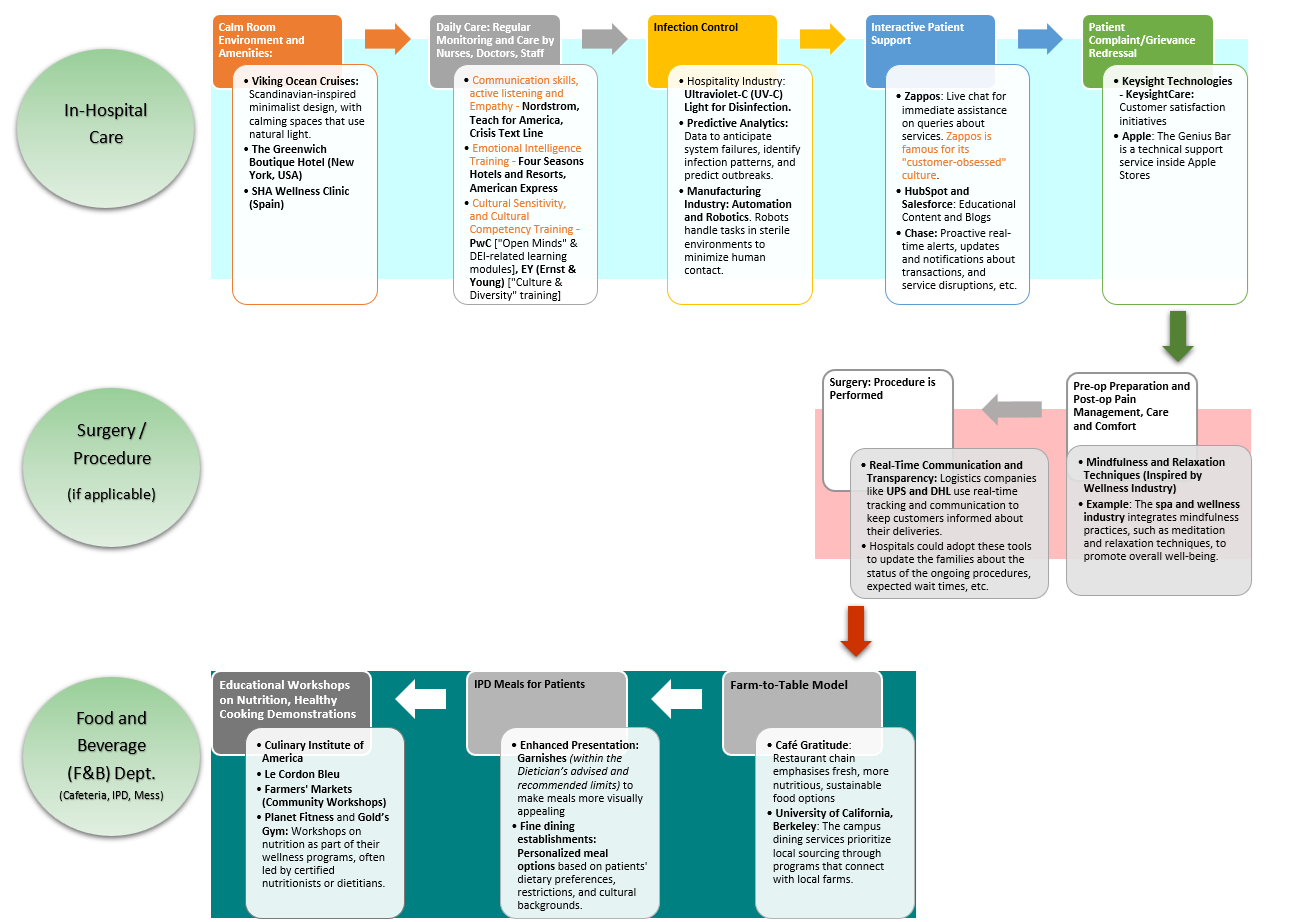
The flowchart below of a typical patient journey highlights how creative benchmarking can uncover best practices from other industries like aviation, entertainment, retail, hospitality, banking, etc. By analyzing their success, hospitals can adopt innovative approaches to common goals and challenges. These best practices can be applied to any industry where a similar function or process is performed.
Legends:
– The oval shapes depict the Patient Experience Key Touchpoints.
– The top rectangle shapes in the Patient Journey Mapping flowchart represent the peculiar hospital processes, service areas, or hospital activities.
– The bottom rectangle shapes in the Patient Journey Mapping flowchart represent the recommended creative benchmarking best practice organisations and examples from outside the hospital industry.
– The References at the end of the flowchart share the context or relevance of the best practice recommendations with subscripts provided in the flowchart.

4. Conclusion
Creative benchmarking is more than just a strategy—it’s a mindset that empowers organizations to transcend boundaries and unlock their innovative potential. In a world where innovation is essential, creative benchmarking emerges as a vital tool for fostering growth, adaptability, and resilience.
The TRADE Best Practice Benchmarking Methodology offers an evidence-based, results-driven approach to systematically implementing benchmarking projects. This methodology emphasizes the importance of selecting both creative and core benchmarking partners to achieve transformative results.
As we reflect on the café where curiosity and collaboration thrived, let it remind us of the power of learning from the unfamiliar. In this dynamic landscape, embracing creative benchmarking can lead to breakthroughs that propel organizations toward a brighter and more competitive future. Benchmarking isn’t about merely catching up—it’s about pushing ahead, continuously improving, and thriving in a world that never stands still.
You can visit BPIR.com to gain full access to the TRADE Methodology. The Centre for Organisational Excellence Research (COER) undertakes benchmarking and business excellence research and consultancy. Contact Dr Robin Mann, Director, COER at r.s.mann@coer.org.nz for related projects and partnerships.
1. Apple: User-friendly, simplifies its product information with detailed, yet straightforward product pages that include FAQ sections, tutorials, and support options. This helps customers quickly find the information they need.
2. Amazon and Microsoft: Maintain extensive FAQs, knowledge bases, and help centres. These resources educate customers on product usage, service features, and troubleshooting, reducing customer confusion and support requests.
3. Focus on E-A-T (Expertise, Authoritativeness, Trustworthiness): Build Trust through Expert Content.
4. The New York Times excels in SEO, leveraging its news content and high domain authority. They are adept at creating SEO-friendly headlines, optimizing their content for both users and search engines and having a well-structured website for easy indexing.
5. BuzzFeed ranks well due to its viral content, data-driven approach to SEO, and ability to generate tons of user engagement. Their content is well-optimized for search engines, focusing on trending topics, entertainment, and social media engagement.
6. Netflix: Proactive communication newsletters and email campaigns highlighting new features, updates
7. Gamification techniques from the gaming industry to engage patients in their care and recovery.
8. Duolingo rewards users with points for completing lessons and practising regularly. Users can also earn streaks for consecutive days of study. This gamifies the process of language learning by giving users tangible rewards for their efforts and motivating them to study consistently.
9. The Virgin Pulse Wellness Program is a points-based wellness program that allows you to identify and complete activities that interest you and help you achieve your personal goals. Get healthy. Get fit. Stay healthy. Stay fit. Get rewarded. The more wellness activities you complete, the more you earn. The program is designed to be holistic and customizable to you. Each activity in the program is assigned relative point values. Every time you complete an activity, the corresponding points are credited to your account.
10. Walgreens Balance Rewards for healthy choices® utilizes incentives, goal setting and regular self-monitoring to inspire and motivate participants. It is built on an evidence-based methodology that incorporates small, easy-to-achieve steps—such as taking one walk, monitoring blood pressure one time, or eating one healthy meal—that, when added together over a week, a year or a lifetime, can lead to major lifestyle changes.
11. UHC Rewards enables members to earn health-related incentives that can be added to a pre-paid debit card or deposited into a HAS (health savings account). New and existing daily and one-time activities for rewards include: Completing an annual wellness exam; Getting an annual flu shot; Completing a virtual urgent care visit; Achieving 5,000 steps or more each day; Completing 15 minutes or more of activity per day; Tracking sleep for 14 nights; Getting a biometric screening; Completing a health survey; Completing cervical cancer screenings and mammograms; deposited into their health savings account (HSA) to help cover medical expenses.
12. Super apps can offer patients a comprehensive mobile-first experience by consolidating a wide range of healthcare services into one easy-to-use platform. These apps make the patient experience more seamless and convenient and enhance patient engagement by providing access to Healthcare Policies and Information, Streamlined Payments, Claims Management, Enhanced Communication with Providers and Insurers, Access to Telemedicine and Virtual Health Services, Personal Health Records (PHR) Management, Appointment Scheduling and Reminders, Prescription Management and Medication Reminders, Access to Health and Wellness Resources, Integration with Wearables and Health Devices, Patient Feedback and Satisfaction Tracking, and Multilingual Support and Accessibility Features.
13. Expedia: They have a strong telephonic booking system to help customers book hotels, flights, and car rentals, with detailed assistance for multi-service bookings.
14. Kaplan: Key Features – User-Friendly Interface, can view real-time availability for tutors and advisors, personalised matching (the system may suggest tutors based on the student’s specific needs), notifications (confirmation and reminders via email or SMS), easy rescheduling and cancellation, integrated payment, customer support for common questions, educational resources (guides and materials related to their services).
15. The American Automobile Association (AAA) is a federation of motor clubs throughout North America that provides a wide range of services, primarily focused on roadside assistance, automotive services, and travel support.
16. Delta Airlines’ Sky Club lounges provide a premium, smooth check-in experience for travelers. Staff greet passengers at the door, and registration is handled quickly using digital systems. Members are informed about lounge amenities and directed accordingly.
17. In hospital settings, the Disney theme park real-time updates on wait durations can be applied to OPD consultations where the average wait time can be estimated, for example, cardiology, dermatology, or general medicine. Not suitable for gynaecology, paediatric, etc. consultations.
18. Financial institutions and insurance companies like Visa and Aetna use automated systems to verify and process documentation quickly, ensure compliance, and minimise manual work.
19. Data Security and Privacy Protocols (Tech/Finance): Goldman Sachs invests heavily in data security and privacy to ensure customer trust and protect sensitive information.
20. Customer Relationship Management (CRM) Systems: Salesforce and Apple use CRM systems to track customer preferences, ensure personalized service, and build strong relationships. Salesforce has been recognized with Stevie Awards for Sales & Customer Service.
21. Slack and Trello: Companies such as Slack and Trello offer detailed onboarding processes, where new users are guided through the platform’s features, ensuring they understand the full scope of the service. This helps customers become self-sufficient and maximize the utility of the service from the start.
22. PayPal: Financial institutions like PayPal ensure that their terms of service, privacy policies, and user agreements are clearly written and easy to access. Offering simplified, jargon-free versions of important policies helps ensure customers know their rights and responsibilities when using the service.
23. Offering concierge services to assist patients during the IPD admission process and transfer to the IPD room can enhance the patient experience, ensuring that patients feel supported and their concerns are addressed promptly, orienting them to the hospital services, amenities, etc. A dedicated staff member who guides patients through the admission process—from paperwork to room allocation—can ease stress and anxiety.
24. Integrating automated discharge workflows into EHRs ensures that clinical data is accurately transferred from inpatient care to outpatient or home care, improving continuity and reducing manual errors. Integrating automated discharge workflows into EHRs ensures seamless integration with patient records, automated generation of discharge documents, and alerts to care teams when discharge milestones are met.
25. Airbnb: Feedback Mechanisms: Companies like Airbnb gather customer feedback after each use of their services, using it to improve customer education and adjust their service offerings accordingly. Continuous feedback loops ensure that services remain aligned with customer expectations.
26. EHR Application: Hospitals can implement cloud-based EHRs that allow for real-time access to patient data across different providers and locations. Improved interoperability between different healthcare systems can enhance coordination and continuity of care.
27. Telecommunication companies prioritize seamless communication between devices and users through networks.
HR Application: Hospitals can enhance patient-provider communication by integrating messaging systems within EHRs, allowing patients to message their healthcare providers or schedule appointments without delays. Features like chatbots can be used to guide patients in non-emergency scenarios.
28. Data analysis: Patient segmentation: Netflix categorises viewers by preferences. Healthcare can group patients by conditions, needs, or behaviours to deliver targeted interventions.
Acknowledgement:
This article draws inspiration from “Creative Benchmarking” by Dawn Iacobucci and Christie Nordhielm, published in the November–December 2000 issue of Harvard Business Review. It presents original research on creative benchmarking conducted by the Centre for Organisational Excellence Research.
Receive Our Newsletter
Keep informed on best practice research and business improvement events from around the globe - be the first to read our Best Practice Reports
| Share | LinkedIn Facebook Twitter |
| Posted by: | BPIR.com |
| Author: | Dr Robin Mann, Director, and Dr Almas Tazein, Senior Researcher and Consultant, Centre for Organisational Excellence Research |
| Source : | - |
| BPIR Category : | 14.2.1 Develop benchmarking capabilities 14.2.2 Benchmark performance measures with noncompetitors 14.2.4 Conduct best practice/ process benchmarking |
| Latest News Categories: | Benchmarking, Latest News |